OUR STORY · 故事

Three generations.
One charcoal grill.

"From a single five-foot-way grill on Beach Road to a cream-lacquered gift box — the recipe never changed. Only how it leaves the shop did."

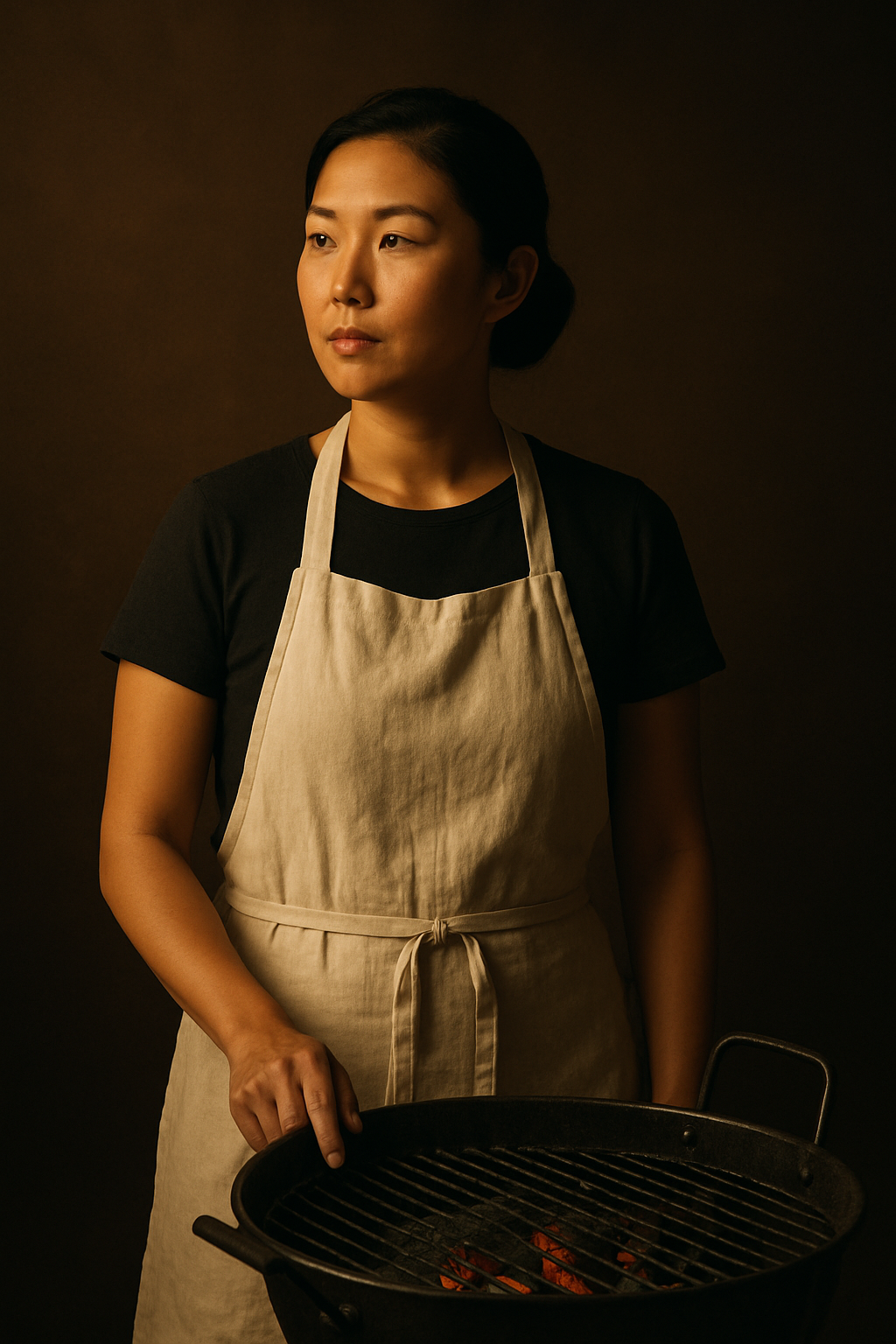
Mei Tan3rd Generation · Creative Director, CHAR
Mei Tan, third-generation owner of CHAR bak kwa
FAMILY · 家

A timeline of fire, family,
and slow change.

  1. 1972
    Beach Road, Singapore

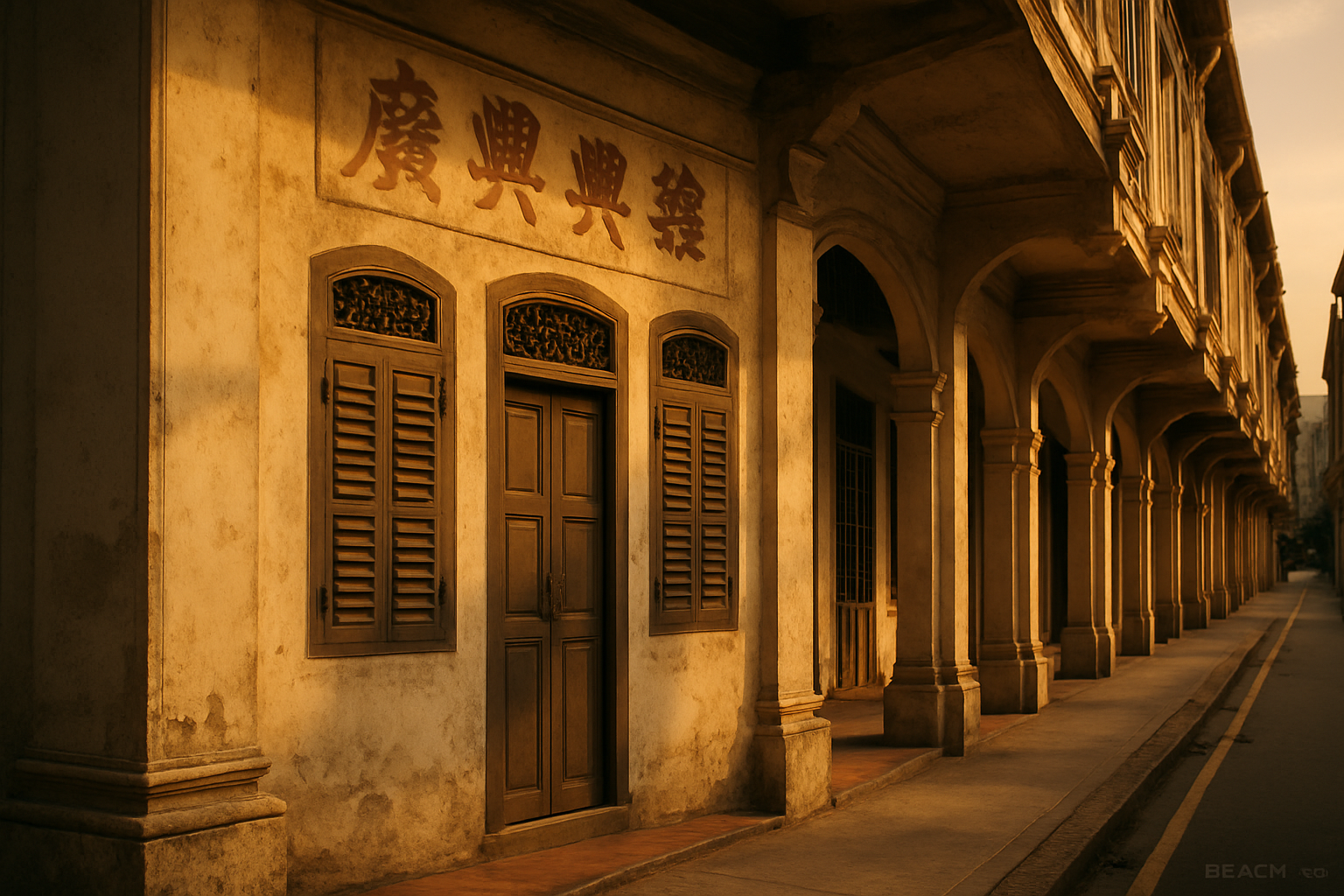
    Tan Ah Kong opens a single charcoal grill on a five-foot-way along Beach Road. He brines pork to a recipe his mother brought from Swatow. Locals queue in the rain.

  2. 1989
    The recipe is written down

    Ah Kong's son, Choon Kit, joins the stall after his National Service. He convinces his father to write down the brine ratio for the first time — on the back of a chee cheong fun receipt that still hangs above the pit.

  3. 2003
    The kiosk opens at Tanjong Pagar

    Choon Kit moves the brand into a permanent kiosk space. Air-conditioned for the first time. Same charcoal pit, transported brick by brick.

  4. 2019
    Mei returns home

    Mei Tan, the granddaughter, leaves a marketing job in Hong Kong to take over. She keeps every part of the recipe and method untouched — and reframes the packaging as a gift-grade product brand.

  5. 2024
    Jewel Changi opens

    A third location at Jewel Changi makes CHAR the first heritage bak kwa brand to ship same-day across Singapore from an airport hub.

THE CRAFT · 三火

Why charcoal — and why three fires.

Bak kwa is one of the oldest preservation techniques in southern China. The marinade does the curing; the fire does the rest. We use three because each one solves a different problem — and shortcuts at any of them shows in the final slice.

The Cure (72 hours)
01

The Cure (72 hours)

Pork shoulder is sliced thin, weighed, and submerged in the brine for three full days. The dark soy carries deep umami; the sugar caramelises later, on the grill. Five-spice gives the long after-taste. Without enough cure-time, the meat tastes flat — no shortcut here.
The Sear (binchotan, hand-fanned)
02

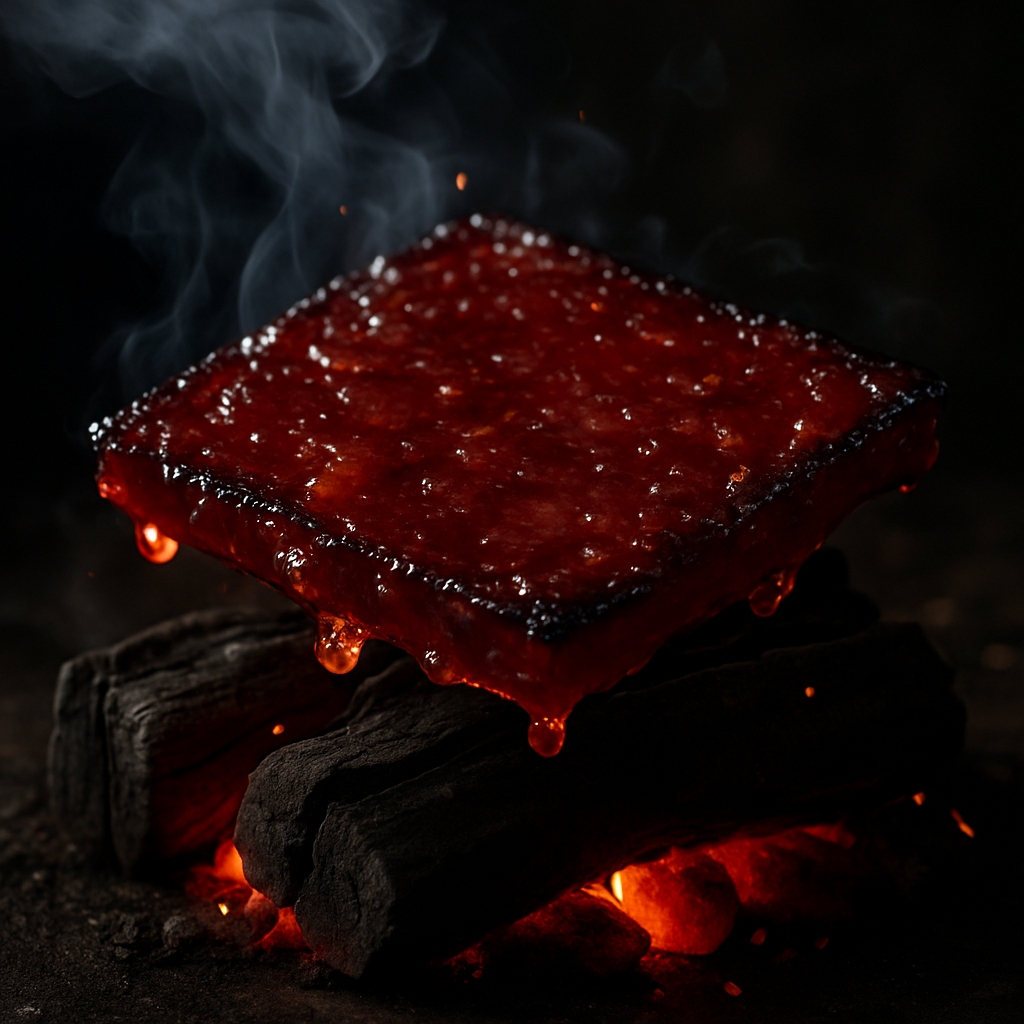
The Sear (binchotan, hand-fanned)

Indonesian binchotan burns hotter and cleaner than briquettes. We fan by hand because the airflow controls how the sugars caramelise. Twelve minutes per side, watched the whole way. A gas flame would be twice as fast and half as good.

The Glaze (warm, brushed)
03

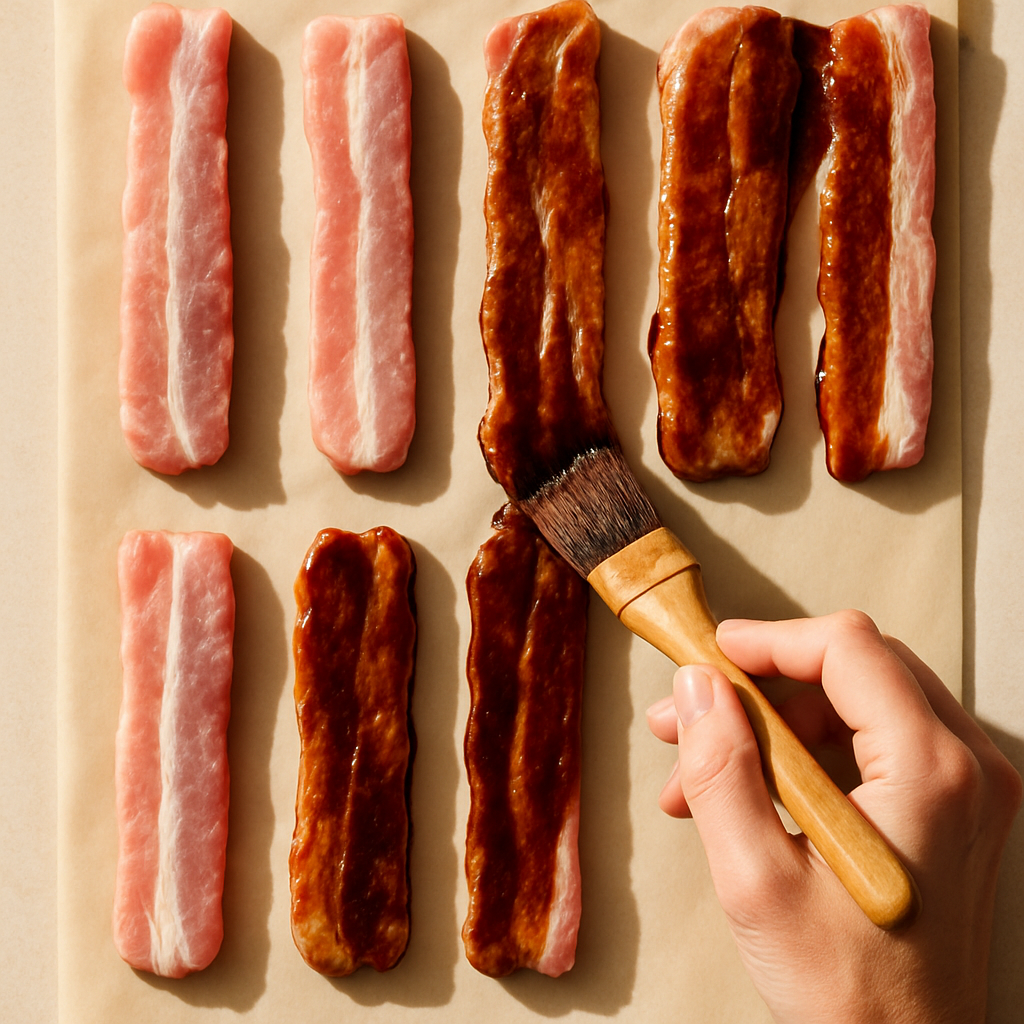
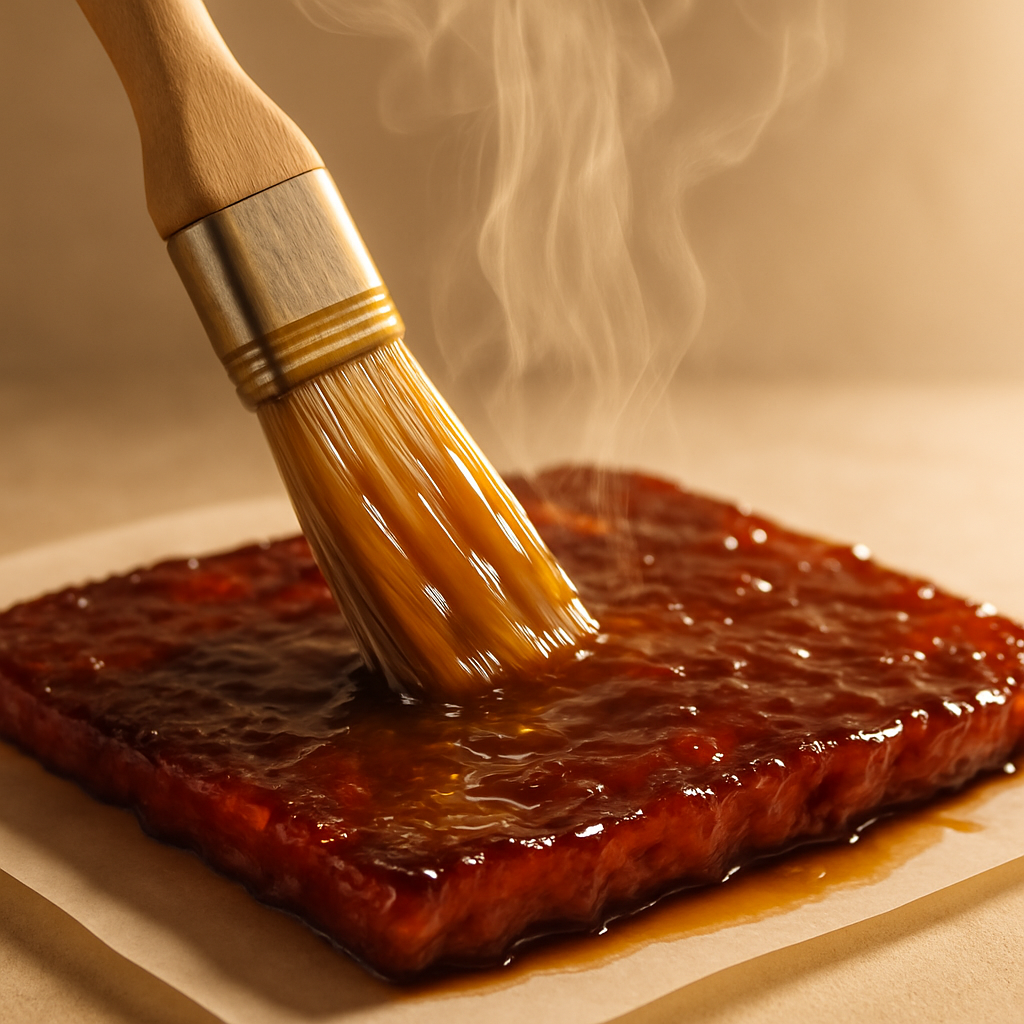
The Glaze (warm, brushed)

Honey, dark soy, and a touch of Shaoxing wine, brushed on the moment each slice leaves the grill. The residual heat turns it into a translucent gloss. Without it, the surface looks dry; the flavour falls flat.

WHAT WE USE

Six ingredients.
Two suppliers. One pit.

Our pork shoulder comes from a single farm in West Java, slaughtered fresh and air-shipped weekly. Free-range, no antibiotics, no growth hormones.

The binchotan is from a fourth-generation kiln in Cilegon, hand-graded by length and density. We use only the longest pieces because they burn evenly and leave less ash.

Sugar, dark soy, five-spice, honey, Shaoxing — each from a single Singaporean wholesaler we've worked with since the kiosk opened in 2003. The recipe doesn't change, and neither do the suppliers.

The original Beach Road five-foot-way shophouse, c. 1972
The original Beach Road five-foot-way, c. 1972.
VISIT US

Come find the pit.

Three Singapore locations. Same recipe. Same charcoal.